 SKIBDRIP®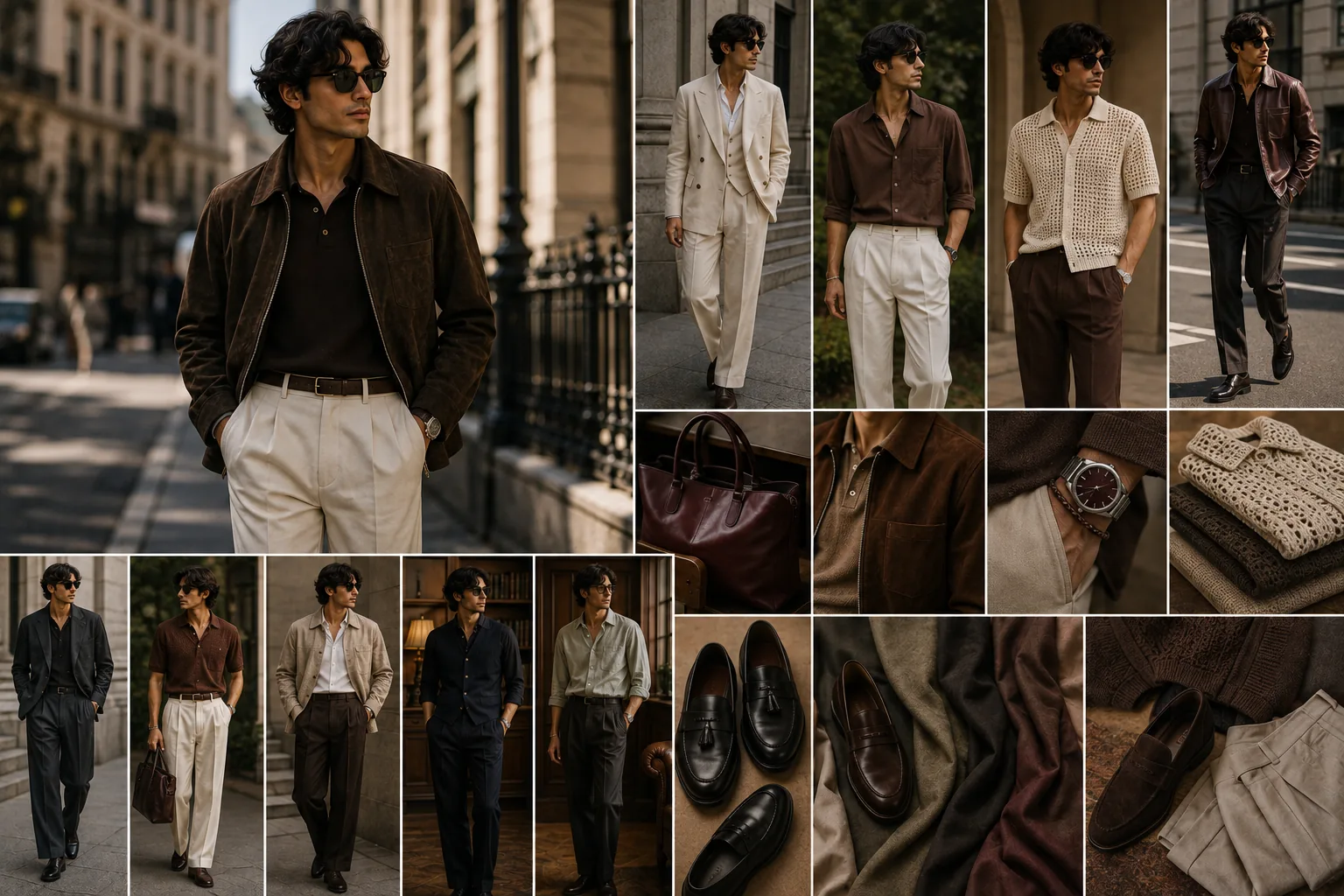
Run the filter before the list
Any trend list, including this one, is a menu — and menus need an ordering strategy. Three questions filter every candidate:
- The three-year test: can I picture wearing this in 2029? Silhouette and colour trends usually pass; gimmick items rarely do.
- The suit-me test: does it work with my palette, body and actual week — or would it require becoming someone else to carry?
- The dinner test: can I trial it for roughly the cost of a good dinner out — one piece, second-hand, or borrowed — before committing real money?
Two passes out of three: try it. Three: it may graduate into your permanent style. Zero or one: it was content, not clothing — enjoy it on your feed and keep your money.
Worth following: the shapes
The silhouette story of 2026 continues fashion's long exhale after the skinny decade — and it is worth joining because relaxed lines flatter more bodies and date more slowly.
- Fluid tailoring — soft-shouldered jackets, wide or gently tapered trousers with real drape; polish without stiffness
- The waistcoat, worn alone or as the third piece, the era's favourite way to look deliberate
- Longer, calmer hemlines — midi skirts, longline shirts and coats
- Considered volume — one roomy element balanced by one neat one, never both extremes at once
All of these translate across western wear and Indian wear alike — a fluid trouser under a longline kurta is precisely this trend speaking a local language. Buy the shapes; they are the safest money of the season.
Worth following: colour and texture
2026's palette rewards depth over noise, which makes it unusually kind to real wardrobes.
Colour: chocolate and espresso browns as the new dominant neutrals, oxblood and deep burgundy as the accent of the moment, forest green, and softened butter-yellow accents carrying over from last year. All of them behave like neutrals-plus — easy to fold into an existing palette rather than fighting it.
Texture: suede — jackets, loafers, bags — leads the tactile turn; alongside it, visible craft: crochet, hand embroidery, handloom weaves, even mended details worn openly. Indian wardrobes start ahead here; the world's moodboards are currently full of what your local weaver has always made.
One brown-and-oxblood outfit with one suede or handloom element and you are fully fluent — no overhaul required.
Worth skipping — politely
Skip anything whose primary habitat is the feed rather than the street. That includes the micro-aesthetic of the month — algorithm-named looks designed to be replaced within a season; logo-maximalist revivals, which age fastest of all; panic buys during sale events, which are the classic route to clothes you never wear; and any trend requiring a whole supporting wardrobe you do not own — a trend that arrives demanding four friends is a subscription, not a purchase.
Skip, too, whatever contradicts your settled style words, however beautiful on someone else. A trend that suits your best friend's colouring and life is her trend. Letting it pass is not falling behind; it is knowing your own address.
How to try a trend for less
The gap between following a trend and being owned by one is mostly method.
One piece, never a look. Adopt a trend through a single garment or accessory folded into existing outfits — the suede loafer with your standing rotation, one waistcoat over shirts you own.
Accessories first, silhouettes second, wardrobe overhauls never. A belt, bag or shoe buys fluency at the lowest stake.
Second-hand is the trend laboratory — most returning trends already sit in thrift and resale markets at trial prices.
Run the arithmetic — a quick cost-per-wear estimate before buying keeps enthusiasm honest.
Trends are seasoning on a settled style — a spoonful sharpens the dish; the whole jar ruins it.