 SKIBDRIP®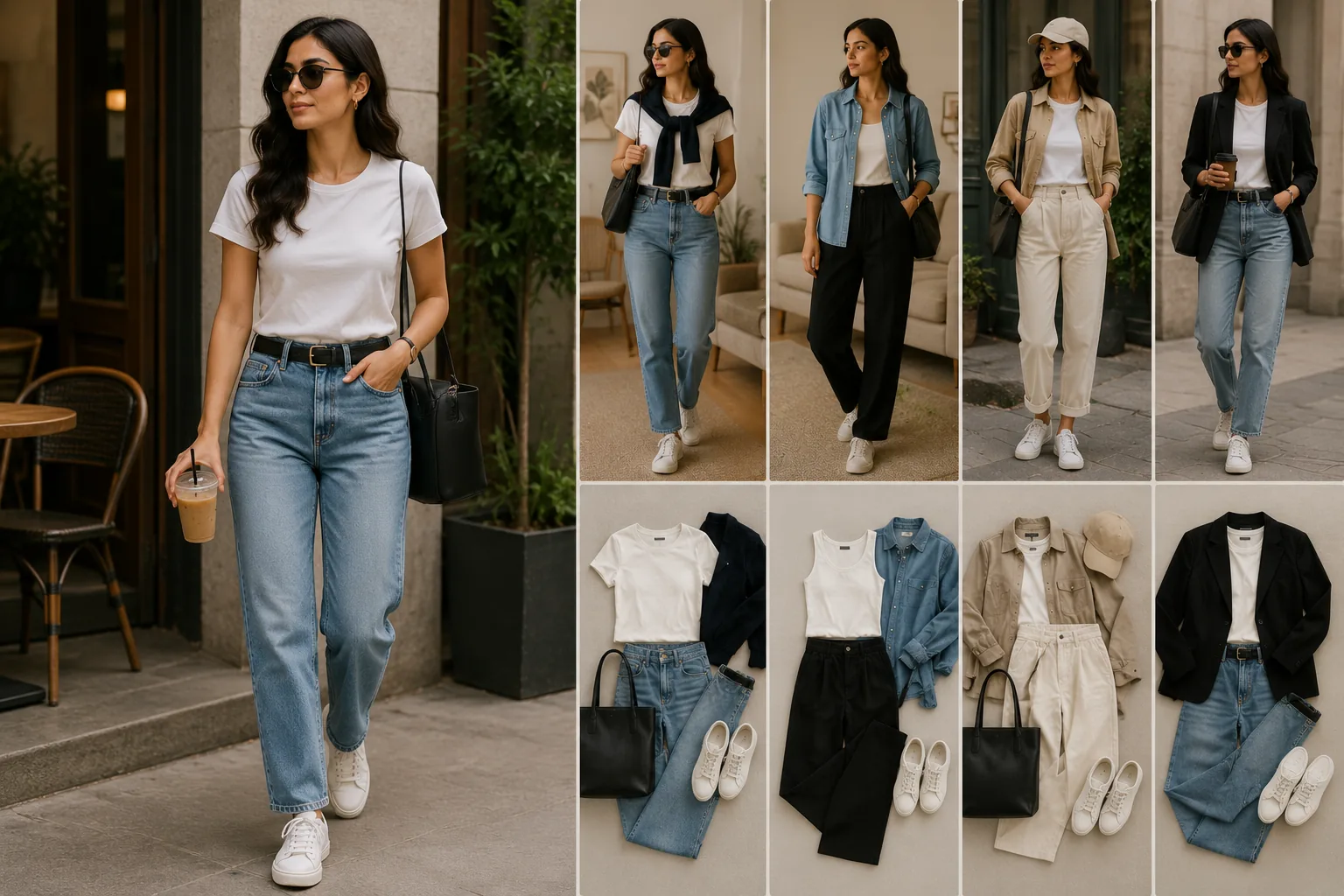
Sloppy is a condition, not a category
No garment is inherently sloppy. Joggers, hoodies, tees and trainers all appear in sharp outfits daily — pressed, fitted, clean versions of them. What reads as sloppy is state: stretched collars, greyed whites, pilled knits, collapsed shoes, fabric so thin it maps everything underneath.
So the first move is not shopping upward in formality; it is holding casual clothes to the same condition standard as formal ones. A crisp tee outranks a creased shirt. Wash cold, dry flat, retire the tired — the boring habits are the style habits. Condition is also the fastest fix available: a steamer and a fabric shaver upgrade an entire wardrobe by the weekend.
Fit on purpose, in either direction
Relaxed fit and shapeless are different things. Deliberately wide trousers have a clean line, a set waist, a hem that ends somewhere chosen. Shapeless means the fabric fell where it fell.
The reliable proportion trick: one loose, one trim. Wide-leg trousers with a fitted tee. Slim jeans under a roomy overshirt. An oversized shirt half-tucked to declare a waist. Showing one edge — ankle, wrist, waistline — signals the volume is intentional. All-tight reads try-hard, all-loose reads surrendered, and fit remains the multiplier on every rupee you spend. When in doubt, fit the shoulders and the waist, and let a tailor manage the rest.
Upgrade the defaults
Same outfit, better components — the swaps that move casual from student to considered:
- Thin logo tee → heavyweight plain tee in white, black or olive
- Distressed light-wash jeans → dark, uniform-wash straight jeans
- Sports hoodie → plain fitted hoodie or crew sweatshirt in one colour
- Running shoes worn everywhere → clean minimal leather trainers or loafers
- Cargo shorts → tailored chino shorts or relaxed cotton trousers
Nothing here is dressier in name — it is the same casual category executed in better fabric, darker colour and cleaner line. That is the entire trick of elevated casual: category unchanged, standards raised.
Add one structured element
Soft pieces need one hard edge to organise them. A collar — polo, overshirt, camp shirt — a jacket with shoulders, a hard-soled shoe, even a proper belt: any single structured element recontextualises everything soft around it.
Tee and joggers is loungewear; add a chore jacket and leather trainers and it is an outfit. Kurta and jeans; add mojaris and a watch. The maths is one, not three: pile on structure and you have left casual entirely, which was not the assignment. Pick the structured piece to match the day: collar for company, jacket for evenings, the good shoes for everything.
Read the room's casual
Casual is not one standard; it is a family of them. A friend's sofa, a nice dinner, casual Friday and meeting someone's parents all say casual and mean different things. The reliable calibration: dress to the top of the room's range, not the bottom — the best-dressed plausible guest, not the most relaxed one.
Mechanically, that means adjusting the structured element. Sofa: clean tee, good joggers, done. Dinner: swap to dark jeans and add the collar. Friday office: keep the trousers, lose the tie, keep the proper shoes. Parents: the overshirt and the tidiest trainers you own. Same wardrobe, one dial — how much structure — turned to match the stakes.
Shoes and the last five per cent
Sloppy verdicts are handed out at the extremities. Shoes: clean, laces even, soles not collapsing — they carry the outfit's formality more than any other piece. Hems: not shredded, not pooling. Then the person-level five per cent — hair decided, nails kept.
Casual done this way is quietly harder than formal, because nothing hides behind a suit's authority. But it is the register most of life happens in, and mastering it means looking considered seven days a week, not two. Master it once and every dress code above it gets easier, because casual is where the judgement is trained.