 SKIBDRIP®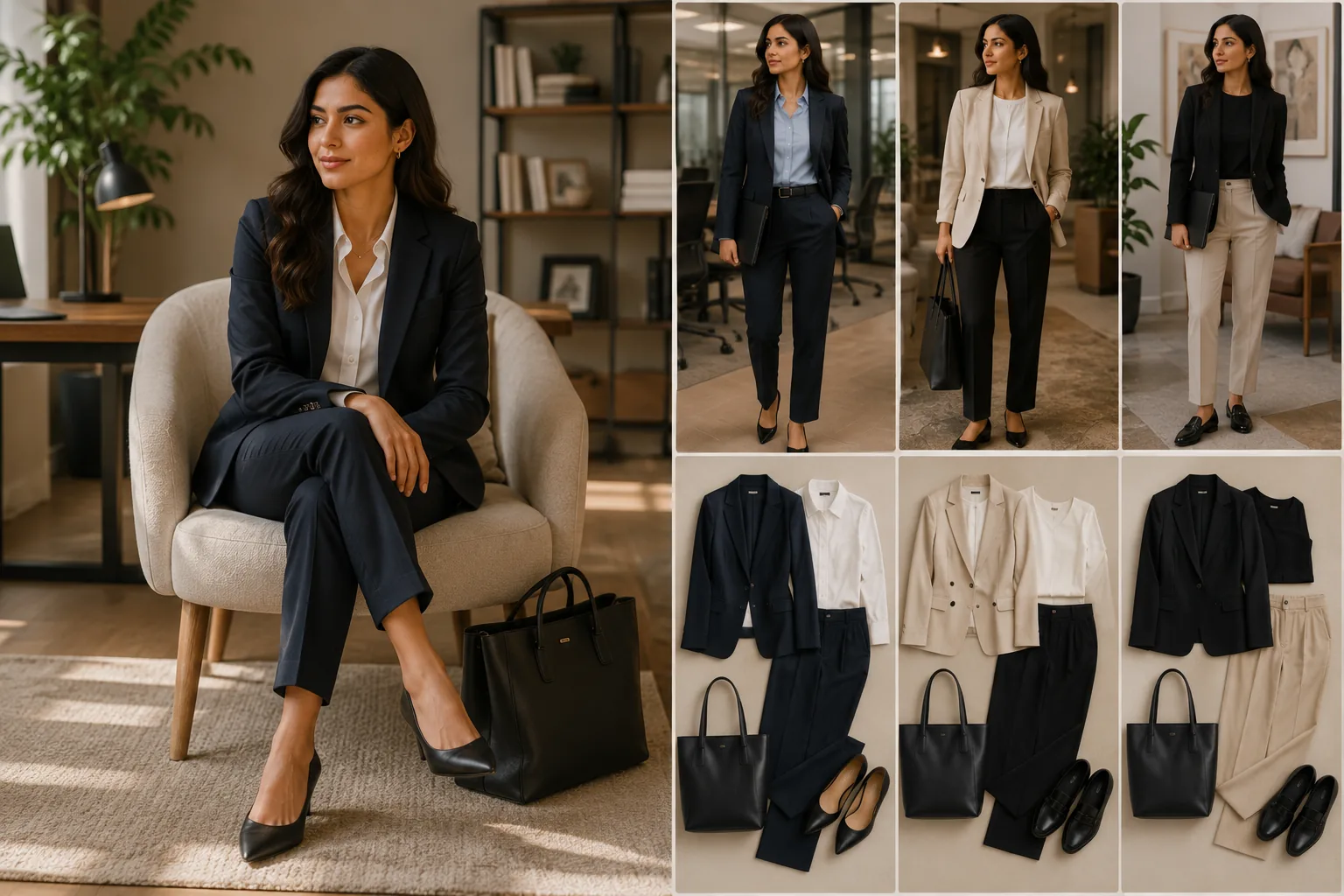
Find the company's notch first
The interview outfit is not one universal suit. It is the company's everyday dress code, moved up exactly one notch.
Spend five minutes on the company's site, team photos and LinkedIn. If employees wear suits, you wear a sharper suit. If they wear jeans and tees, you wear dark chinos, a crisp shirt and a blazer. Overdressing by two notches at a casual startup signals you did not research them; underdressing at a bank signals the same thing.
If you genuinely cannot tell, email the recruiter and ask. Nobody has ever lost an offer for asking about the dress code. Photos from the company's own social pages during events are the most honest evidence you will find.
The formal brief: banks, law, consulting, client-facing roles
For traditionally formal industries, the answer is settled: a navy or charcoal suit — never black, which reads funereal — with a white or light-blue shirt.
Men: a conservative tie, dark socks, polished black or dark-brown Oxfords or derbies, a belt that matches the shoes. Women: the same suit logic, or a tailored dress with a blazer, closed-toe shoes with a heel you can genuinely walk in, or smart flats.
Fit matters more than price — a suit that fits properly at a modest price beats an expensive one that pools at the ankles. Get trousers hemmed and sleeves adjusted; tailoring costs little and shows everywhere. Keep the bag or folder slim and leather-look — the details finish the sentence the suit starts.
The smart-casual brief: startups, tech, creative teams
Where suits would look stiff, aim for structured-but-relaxed.
- Dark chinos or wool trousers, or dark straight-leg jeans with no fading or rips
- A plain shirt, fine-knit polo or quality crew-neck knit — no slogans
- A blazer, structured jacket or neat cardigan as the finishing layer
- Clean leather sneakers, loafers or Chelsea boots
In India, a crisp cotton kurta with tailored trousers and a jacket also reads polished for many workplaces — judge by the company, not the rulebook. The test: you should look like the most put-together version of someone who already works there. Fabric does quiet work here — matte cottons and wools read considered, shiny synthetics read hurried.
Colour, grooming and the things interviewers notice
Keep colour quiet and let your answers be the loud thing. Navy, charcoal, white, light blue and camel are safe; one small accent — a tie, a scarf, a watch strap — is plenty. Skip strong perfume, jangling jewellery and anything you fidget with.
Interviewers notice edges: collar points, shoe condition, trouser length, nails, hair. Iron the shirt the night before, check the shoes under bright light, and carry a slim folder or clean bag rather than a bulging backpack. None of this wins the job by itself; all of it removes reasons to doubt you.
The night-before checklist
Decide the full outfit — down to socks and belt — the evening before, and try it on. Sitting down in it matters: trousers ride up, buttons pull, and you want no surprises in the waiting room.
Check the weather and plan the commute layer; arriving rain-soaked undoes an hour of prep. Keep a lint roller by the door, and lay out a backup shirt — breakfast spills choose important mornings. If the interview is on video, the top half still follows every rule above, and a plain background does the rest.
Then stop. A tested outfit frees your head for the only thing that actually gets you hired — the conversation. If confidence needs a nudge, the right clothes genuinely help.