 SKIBDRIP®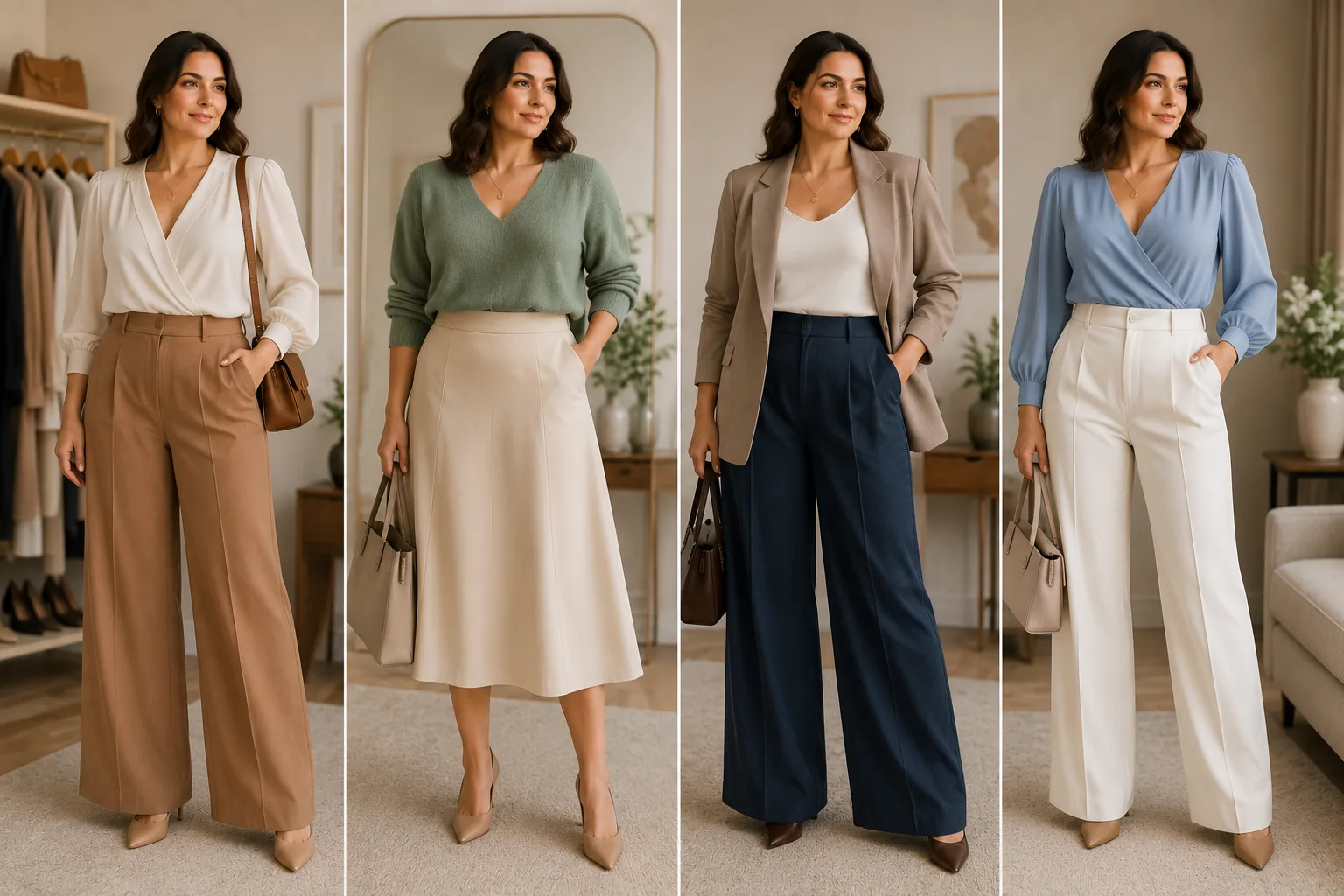
A strong frame, and a genuine choice
Broad shoulders mean the shoulder line reads wider than the hips — the inverted triangle, common in swimmers, lifters and plenty of people who have never touched a barbell. It is the proportion tailoring was historically built to fake; you hold as standard issue what suit padding sells to everyone else.
Which sets up an honest fork. Balance — softening the top and building the bottom until shoulders and hips read closer to even — suits days and moods that want quieter lines. Celebration — structured shoulders over a clean column — turns the frame into the outfit's architecture. Neither is more correct, and the levers are the same four every proportion uses: structure, drape, emphasis, line. Here is each playbook.
Balancing, part one: soften the shoulder line
Softening starts at the seam. Raglan sleeves — the diagonal seam running to the collar — erase the hard shoulder corner; slightly dropped shoulder seams blur it; fine, unpadded knits and unstructured jackets follow the bone instead of extending it. Necklines matter as much: V-necks, scoops and open collars cut vertical lines into the horizontal breadth, while wide boat necks, halters and heavy crew necks emphasise it — wear those on celebration days.
Detail placement completes the shift: skip epaulettes, shoulder ruffles and puffed sleeve heads when you want quiet, and keep pattern and brightness below the collarbone. Darker, matte tones up top recede a little; the eye follows light, so put the light where you want it.
Balancing, part two: build the lower half
The second half of balance happens below the waist, giving the eye width to answer the shoulders:
- Wide-leg, flared and pleated trousers — the strongest single move, grounding the frame with lower volume
- A-line, pleated and full skirts that sweep outward from the waist
- Lighter colours, prints and texture on the bottom half — the reverse of the pear playbook, same physics
- Pocket detail and paperbag waists adding structure at the hip
Straight-cut bottoms keep things neutral; it is genuinely hard to over-widen the lower half on this frame. Marking the waist with a belt or tuck sharpens the triangle into an hourglass read — definition between two balanced widths is the neatest finish.
The seam rule that governs every jacket
Whichever playbook you run, one technical rule is non-negotiable: the shoulder seam ends at the shoulder bone. Broad shoulders get punished by off-the-rack sizing more than any frame — jackets bought for the shoulder swim at the waist, and jackets bought for the waist strain across the back. Buy for the shoulder, always, and have the body tailored in; the reverse alteration is the one tailors cannot do.
The checks are the same as any well-fitted shirt: seam on the bone, no strain creases radiating from the armhole, a back that allows a full handshake without pulling. Sleeveless cuts should sit at the bone too, not bite inside it. Fit here is what separates broad from bulky in every photograph.
Celebrating: the power line, worn on purpose
Some days the triangle is the outfit. A sharply structured blazer with a clean shoulder over slim trousers is the classic power silhouette — the line every padded jacket imitates, worn by the frame that has it free. Halter necks, boat necks, off-shoulder cuts and bold sleeve heads all present the shoulder deliberately; a strong shoulder over a fluid column dress is eveningwear at its most architectural. Keep the rest quiet — one hero line per outfit — and let posture finish it.
The deeper point is that both playbooks belong to you, chosen per occasion like any proportion decision: softened for the family lunch, celebrated for the negotiation. The frame is an instrument, not a verdict — play it both ways.