 SKIBDRIP®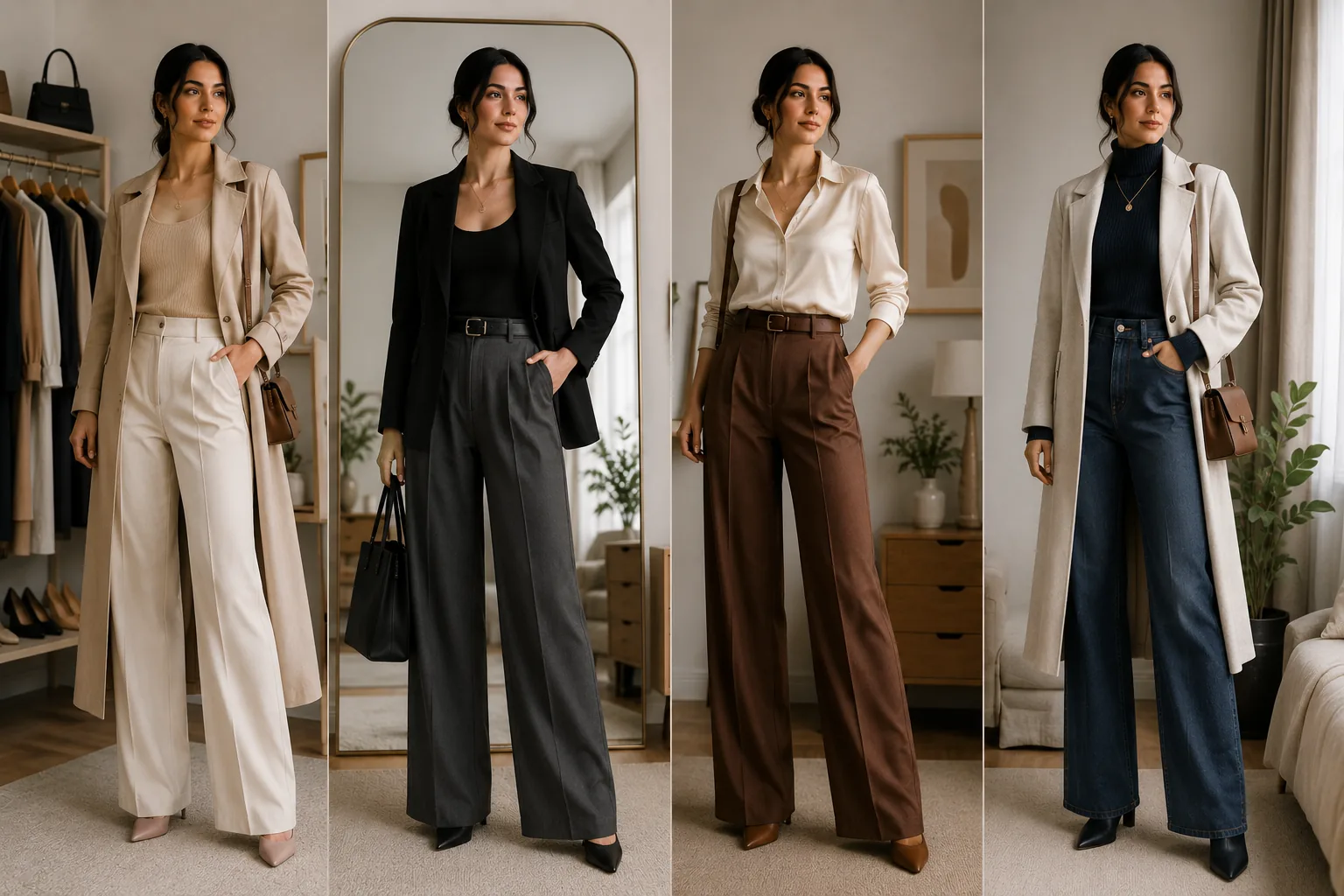
Height is the advantage clothes are drawn on
Fashion drafts its samples long: the drape, sweep and drama in most designs assume vertical distance, and a tall frame supplies it. Floor-length coats hang the way sketches intend, wide trousers swing, maxi skirts and dresses fall in full lines, big prints show their whole repeat. Where smaller frames adapt those pieces, you simply wear them.
The honest difficulties sit elsewhere — in reach and scale. High-street garments stop short at the wrist and ankle, rises run shallow, and small accessories can look borrowed. So tall style has two jobs: solve length ruthlessly, then enjoy a wardrobe of silhouettes that height unlocks. Neither job involves apologising for being visible; you are visible anyway, and well-dressed is the better version of it.
The fit checklist: length everywhere
Tall fit fails at five predictable points, so check them in order:
- Sleeves reach the wrist bone with the arm relaxed — the most common shortfall
- Shoulder seams sit on the bone; tall ranges cut a longer shoulder-to-wrist line, not just added hem
- Rise is deep enough that trousers sit where cut without pulling — shallow rises cause most tall trouser misery
- Inseams deliver a proper break or a deliberate crop, never an accidental flood
- Shirt and top length covers the waistband through a full reach overhead
Shop brands with dedicated tall lines and note your inseam and sleeve length in centimetres like a prescription. Buying long and having a tailor shorten to exact always beats hoping short stretches.
Scale up, and let the frame carry it
A tall frame politely swallows small details, so match the scale. Wider lapels, longer collar points, larger prints, chunkier knits, substantial shoes, bigger bags and bolder jewellery all sit in proportion where dainty versions can vanish. This is the shape of the advantage: statement pieces that overwhelm other frames look intentional on yours.
Silhouettes to lean into: longline coats and blazers, full-length wide trousers, maxi dresses, jumpsuits (torso length permitting — check the rise before the colour), and strong vertical tailoring.
Proportion still wants balance rather than maximum: one oversized statement against cleaner pieces reads composed. Scale is a dial you now own — set it deliberately per outfit rather than leaving it at ten.
Breaking the line, when you choose to
An unbroken column reads maximum height, and some days you may want variety instead — horizontal interruptions redistribute the eye without hiding anything. Belts at the waist give the long line a midpoint; contrast layering — a jacket ending at the hip over a longer shirt — creates steps of length; colour blocking top from bottom shortens the read; cuffed trousers and ankle boots add stops near the floor. Layering is the most flexible of these, and tall frames can stack three lengths without bulk.
Crops and short hems, meanwhile, become style choices rather than accidents when the rest of the outfit is clearly deliberate — a cropped wide trouser with a long coat is a proportion play, not a shortfall. Direct the line; do not just transmit it.
Shopping tall without the tears
Build the wardrobe around the scarce resource: length. Stock up when a brand's tall range fits — multiple colours of the trouser that finally reaches — because reliable long inseams are rarer than good design. Menswear and unisex cuts quietly extend options for tall women, particularly in outerwear, knits and tees, where the longer torso and sleeve are drafted in by default.
Online, filter by inseam and sleeve measurements rather than S-M-L, and learn your numbers cold. Tailors can shorten anything and lengthen almost nothing, so err long at purchase.
And posture is the last styling step: height slouched reads as apology, height carried reads as presence. The clothes are finally long enough — stand like it.